 Chris Crum writes for Small Business Resources about what's new for small business. Chris was a featured writer with the iEntry Network of B2B Publications where hundreds of publications linked to his articles including the Wall Street Journal, USA Today, LA Times and the New York Times. Chris Crum writes for Small Business Resources about what's new for small business. Chris was a featured writer with the iEntry Network of B2B Publications where hundreds of publications linked to his articles including the Wall Street Journal, USA Today, LA Times and the New York Times.
|
SBA Doubles Cumulative 7(a) and 504 Loan Limit
The United States Small Business Administration (SBA) recently announced a new rule, which enables borrowers to combine 7(a) and 504 loans for up to $10 million in SBA-backed financing. This increases the cumulative loan limit from $5 million while expanding the capital that small businesses have access to. The 7(a)-loan program is the SBA’s flagship program, serving as a public-private partnership offering government-guaranteed loans. These help small businesses finance equipment purchases, real estate acquisition, working capital (including revolving credit lines), and business expansion. The 504-loan program offers long-term, fixed-rate financing for major fixed assets that promote business growth and job creation. The SBA says the new rule applies to businesses across all industries. It also notes that small manufacturers, who can already secure an unlimited number of 504 loans as long as each loan is tied to a distinct project, can also apply for $5 million through the 7(a)-loan program. SBA Administrator Kelly Loeffler commented, “The Trump SBA is unleashing historic new capital to support the millions of small businesses that are currently in growth mode thanks to President Donald J. Trump and the America First economic agenda. Amid record small business formation, job growth that continues to exceed expectations, and a surge in demand for Made in America, the agency is committed to supplying small businesses with the funding to hire, expand, and increase production. By doubling the combined loan limits of SBA’s 7(a) and 504 loans, this Administration is empowering job creators, particularly manufacturers, to invest in American workers, rebuild our industrial strength, and grow the small business economy.”
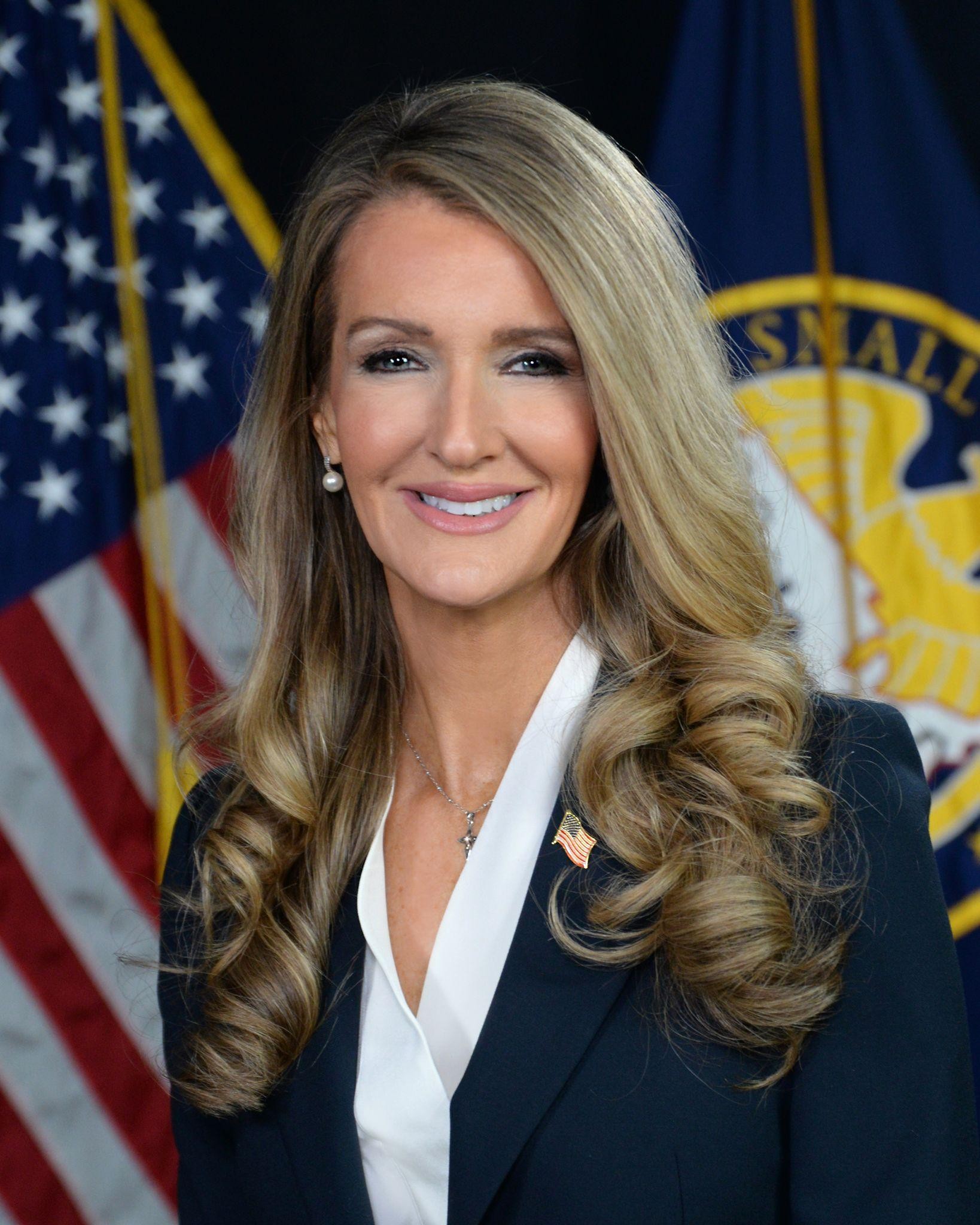
SBA Administrator Kelly Loeffler The SBA says that by decoupling 7(a) loan balances from the 504 program, they are giving capital-intensive small businesses (like those in construction, logistics, energy, food production, and related industries) greater flexibility to pair long-term financing for real estate and equipment with working capital to support operations and expansion. For manufacturers, the rule will provide additional capital to increase production, hire workers, and meet rising demand driven by President Trump’s fair-trade agenda. Since Loeffler took over leadership at the SBA, the agency has introduced a number of rule changes aimed at delivering additional capital across industries like manufacturing, agriculture, housing, energy, and transportation. This year, it waived loan fees for manufacturing NAICS codes and established its first loan program specifically for American manufacturers. It also announced a new 90 percent Made in America Loan Guarantee for small manufacturers, as well as a 90 percent Grocery Guarantee for small businesses across the food supply chain. The SBA says it continues to promote existing programs such as the asset-based 7(a) Working Capital Pilot (WCP) Program, which also has the ability to offer homebuilders project-based lines of credit up to $5 million. The new rule for combining 7(a) and 504 loans goes into effect as of July 4, 2026. This is the maximum financing offering from the SBA to small businesses in the history of the Administration. Read other business articles |